Same day gardeners Holborn for emergency clearing
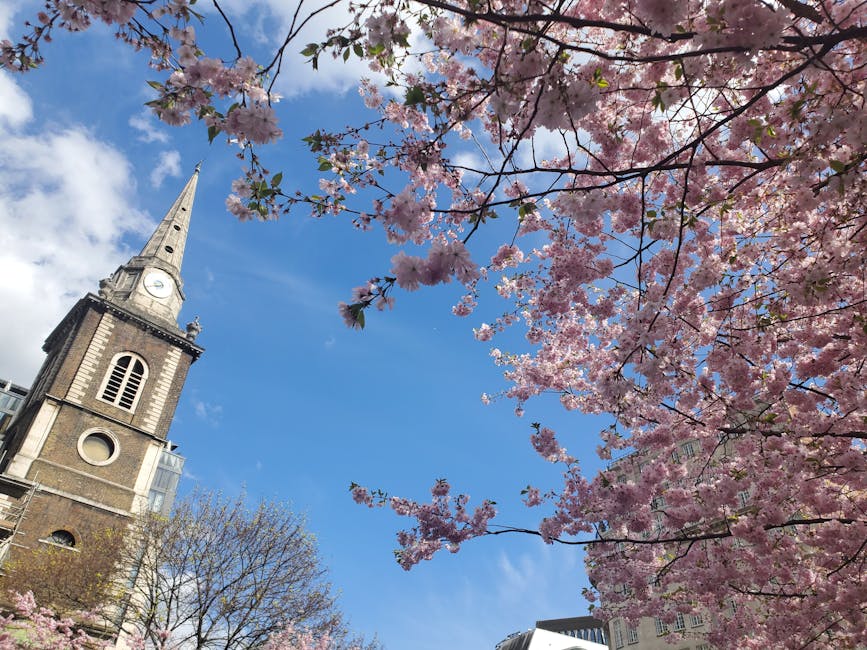
If your garden has suddenly become unsafe, blocked, or simply unmanageable, you do not have time to wait around. That is exactly where same day gardeners Holborn for emergency clearing comes in. Maybe a storm has scattered branches across the path. Maybe a hedge has collapsed, waste has piled up, or an overgrown front garden is creating a bad first impression before a property viewing. Whatever the trigger, the goal is the same: restore access, remove hazards, and get the space back under control as quickly and sensibly as possible.
This guide explains how emergency garden clearing works, when it makes sense, what to expect, and how to choose the right approach without rushing into the wrong one. It also gives practical steps you can use straight away. Let's face it, when a garden turns chaotic at short notice, you need clarity more than cheerleading.
Why Same day gardeners Holborn for emergency clearing Matters
Emergency clearing is not just about tidying up. It is about dealing with situations that can become messy, risky, or embarrassing very fast. In a busy part of London like Holborn, outdoor space is often tight, shared, or visible from the street. A fallen branch, broken fence panel, or heavily overgrown frontage can affect access, safety, neighbours, and how a property is used day to day.
Speed matters, but so does judgement. A good same-day response should not simply hack everything down and leave a pile of mixed waste behind. It should prioritise what is urgent: clear access routes, remove obvious hazards, separate green waste from bulky rubbish where practical, and leave the space safer than it was that morning.
There is also the human side. If you are dealing with a landlord issue, a last-minute inspection, an Airbnb turnaround, a sale, or even just an unpleasant surprise after bad weather, the stress can be real. You want the problem handled without a big song and dance about it. Fair enough too.
For that reason, emergency clearing should sit alongside longer-term care. If the same garden keeps getting out of hand, services such as garden maintenance and lawn mowing can help stop future panic jobs from happening in the first place. And if the issue is more structural than surface-level, then landscaping may be part of the answer.
Expert summary: Same-day garden clearing works best when it is treated as a focused reset, not a rushed makeover. Remove danger first, restore access second, and plan the rest once the pressure is off.
How Same day gardeners Holborn for emergency clearing Works
Most emergency garden clearing jobs follow a similar pattern, even if the details differ. The process is usually straightforward, which is good news when you are already dealing with enough moving parts.
1. Initial assessment
You explain what has happened and what needs clearing. A good team will ask about access, the size of the area, the type of waste, and whether there are any immediate risks such as broken glass, fallen limbs, blocked entrances, or unstable fencing. If a photograph can be shared, that often helps avoid guesswork. Not glamorous, but useful.
2. Prioritising the urgent work
Emergency clearing is rarely about the whole garden at once. The priority is often access, safety, and visibility. That might mean clearing a path to the front door, removing fallen branches from a driveway, cutting back an obstructive hedge, or removing waste that could attract pests or create a slip hazard.
3. Safe clearance and sorting
The team will normally clear material in stages so the job remains manageable. Green waste, soil, timber, and mixed debris may be separated where practical. If the site includes damage to trees, fences, or decking, the work needs care rather than brute force. That is one reason it helps to use a team that understands services such as tree lopping and removal and decking services when the situation calls for it.
4. Removal and responsible disposal
Once the area is cleared, waste should be loaded and taken away in line with normal disposal expectations. Reputable operators will think about recycling and segregation where appropriate, rather than treating everything as one giant heap. If sustainability matters to you, the approach described in recycling and sustainability gives a useful indication of how waste handling may be approached.
5. Final check and next-step advice
The last part is often the most underrated. A quick tidy-up, a visual check for anything missed, and a few practical recommendations can make the difference between a one-off rescue and another emergency next month. If there is an ongoing issue, the team may suggest follow-up hedge work, a deeper clearance, or a maintenance schedule.
Key Benefits and Practical Advantages
There are obvious benefits to same-day help, but the less obvious ones matter too.
- Fast restoration of access: This is often the immediate need, especially if a path, gate, or driveway is blocked.
- Reduced safety risk: Fallen branches, slippery debris, and unstable plants can cause accidents if left too long.
- Better first impressions: Useful for property sales, landlord visits, business frontage, and family events.
- Less stress: An urgent mess feels smaller once a plan is in motion.
- Cleaner handover: If you manage a rental or commercial space, getting the site into a usable condition quickly can save a lot of awkward conversations.
- Stronger long-term control: Emergency clearing often reveals the parts of the garden that need proper maintenance rather than quick fixes.
Another practical advantage is momentum. Once the clutter is removed, it is much easier to see what the space actually needs. You can judge whether the next step is hedge reduction, lawn recovery, a full clearance, or a more considered redesign through landscape gardening.
In our experience, people often underestimate how much visual relief comes from removing just the worst part of the mess. Sometimes that first clear area changes everything. Sounds simple, because it is.
Who This Is For and When It Makes Sense
Same-day emergency clearing is not only for dramatic storm damage. It suits a wide range of situations where speed and practicality matter more than a full design plan.
- Homeowners who have had sudden wind damage, fallen foliage, or a garden that got away from them after being unused for a while.
- Landlords and agents preparing for inspections, check-ins, end-of-tenancy work, or viewings.
- Businesses with outdoor areas, loading access, or customer-facing frontage that needs to look safe and orderly.
- Older residents or busy families who need help handling a garden that has become difficult to move through.
- People dealing with a one-off event such as a property sale, renovation, or special gathering.
It makes sense when the garden is causing a practical problem now, not just bothering you aesthetically. If you can wait two weeks and plan properly, a scheduled service may be more economical. If you cannot safely use the space today, same-day clearing is often the sensible call.
And to be fair, sometimes people call only when the problem has become impossible to ignore. That happens. The trick is not to delay again once you have noticed it.
Step-by-Step Guidance
If you want the smoothest possible same-day result, a bit of preparation goes a long way. Here is a simple process that helps keep everything calm and efficient.
- Describe the problem clearly. Say what has happened, where the issue is, and what the urgent risk is. A blocked front path is different from an overgrown back corner.
- Send photos if you can. A couple of clear images can help the team judge access, waste volume, and whether specialist tools might be needed.
- Highlight any hazards. Mention broken glass, unstable branches, hidden steps, pets, poor lighting, or narrow access routes.
- Ask what will be cleared today. The goal is to know whether the job is a partial emergency tidy or a full clearance.
- Check disposal expectations. You want to know whether waste will be removed, where possible recycling fits in, and whether heavy or mixed waste changes the process.
- Make the site easy to reach. Unlock gates, move cars if needed, and keep children and pets out of the work area.
- Walk the area afterwards. Look for anything left behind, any remaining hazards, and whether you need follow-up work.
If the clearing work is connected to a broader refresh, it may be worth asking about related services such as hedge trimming or garden clearance. That way the emergency fix does not become a half-finished patch job.
Expert Tips for Better Results
Here are the bits people rarely think about until they have already made things harder for themselves.
- Separate what is urgent from what is merely untidy. This keeps the same-day visit focused and prevents wasted time.
- Clear access before anything else. A neat pile in the wrong place can still block the job. Obvious, maybe, but easy to miss when you are stressed.
- Do not bury the real issue. If a hedge is encroaching, or a tree limb is hanging low, mention it. A quick surface clean will not solve that.
- Ask for honest boundaries. If a job needs specialist tree work, structural repairs, or a second visit, it is better to know early.
- Think beyond today. Emergency clearing is usually the first step, not the whole answer.
One useful habit is to photograph the garden before and after. It helps with landlord records, property handovers, and, frankly, with remembering what still needs doing once the panic has passed. The memory goes funny after a long day, does it not?
If you know the space is likely to need regular attention, build a light-touch maintenance plan after the emergency has been handled. A short, steady schedule often prevents the next crisis better than any dramatic rescue.
Common Mistakes to Avoid
Emergency situations make people rush. That is understandable. But a few common mistakes can create more work, higher cost, or a less tidy result.
- Trying to clear everything at once. This can waste time and leave the truly urgent hazards untouched.
- Underestimating access issues. Narrow side passages, locked gates, basement steps, and awkward parking all affect how the job runs.
- Ignoring waste type. Green waste, timber, and mixed rubbish may need different handling.
- Skipping a follow-up plan. If the garden is overgrown once, it may happen again without a maintenance routine.
- Choosing purely on speed. Same-day availability is useful, but it should still come with clear communication and sensible working methods.
A more subtle mistake is expecting a clearance job to become a landscape project in one visit. That is rarely realistic. A proper emergency clear makes the site safe and manageable first. Anything more ambitious can come later, and usually should.
Tools, Resources and Recommendations
For most emergency clearing jobs, the right tools depend on the type of mess. You do not need to know every machine name, but it helps to understand the basics.
- Hand tools for precise cutting, lifting, and tidying in tighter areas.
- Secateurs and loppers for smaller branches, brambles, and awkward growth.
- Strimmers and mowers for long grass and quick visibility improvements.
- Wheelbarrows, sacks, and load-moving gear for collecting and removing waste efficiently.
- Protective equipment such as gloves, eye protection, and sturdy footwear for safe handling.
For a broader understanding of service levels, the services overview page is a useful place to see how different tasks fit together. If you are comparing what needs doing now versus later, pricing and quotes can also help you understand how jobs may be assessed.
When a job involves heavy waste or awkward structural damage, do not try to solve everything with a single tool or a quick DIY fix. Sometimes the smartest recommendation is simply to stop, step back, and let the right people handle it. No shame in that at all.
Law, Compliance, Standards, or Best Practice
Emergency clearing can touch on safety, waste handling, neighbour relations, and property access, so it is worth treating it with care. In the UK, there are general expectations around working safely, disposing of waste responsibly, and not creating avoidable risks for occupants, neighbours, or passers-by. The exact obligations depend on the property, the work involved, and who is responsible for the site.
Best practice usually includes the following:
- Working safely around hazards: especially sharp debris, unstable branches, trip points, and uneven ground.
- Using suitable protective equipment: gloves, eye protection, and sturdy footwear are common sense basics.
- Managing waste properly: green waste and mixed debris should not just be dumped or left behind.
- Keeping access clear: particularly if there is a shared entrance, public-facing frontage, or emergency route.
- Being transparent about limitations: if the job involves specialist tree work, structural concerns, or a risk that cannot be dealt with safely on the day, that needs to be said plainly.
If safety procedures matter to you, it is sensible to review a provider's health and safety policy and insurance and safety information before work begins. For customers who also care about practical ethics, the company's about us page can help you understand the way they operate, while the terms and conditions explain how work is typically handled.
That sounds formal, but it is really about one thing: making sure the job is done properly and without avoidable drama. Nobody wants a fast fix that turns into a bigger mess.
Options, Methods, or Comparison Table
Not every urgent garden problem needs the same response. Here is a simple comparison to help you judge the best route.
| Approach | Best for | Strengths | Limitations |
|---|---|---|---|
| Same-day emergency clearing | Blocked access, sudden mess, visible hazards, urgent property use | Fast, practical, restores order quickly | Usually focused on immediate issues, not full redesign |
| Scheduled garden clearance | Large but non-urgent overgrowth, accumulated waste, seasonal reset | More time for planning and scope | Not ideal when safety or access is already a problem |
| Regular maintenance | Ongoing control of growth and clutter | Prevents future emergency jobs, keeps standards steady | Does not solve sudden damage on its own |
| Landscaping or redesign | Repeated layout problems, poor drainage, awkward garden use | Long-term improvement and usability | Needs more planning, time, and usually a separate scope |
The practical rule is simple: if the issue is creating immediate friction today, emergency clearing makes sense. If it is a recurring annoyance rather than a pressing problem, maintenance or a longer-term plan may be better value.
Case Study or Real-World Example
Imagine a Holborn rental property after a windy night. The front garden path is partly blocked by broken branches, a hedge has flopped outward, and damp leaves have turned the paving into something a bit too close to an ice rink for comfort. The tenant can still get in, just about, but visitors need to squeeze past, and the property does not look cared for.
In that situation, a same-day clearing visit would likely focus on three things: restoring a safe walkway, removing loose debris, and tidying the frontage so the property is presentable again. If the hedge is the real source of the obstruction, it may also make sense to book hedge work after the emergency clean-up rather than pretending a quick sweep will solve it.
What changed the outcome in this kind of job was not a huge transformation. It was the speed of the response and the willingness to focus on the right priorities. The garden did not need to be "finished". It needed to be safe, accessible, and decent to look at. That is the difference.
Another common scenario is a back garden used for a family gathering at short notice. The grass is long, a few bags of old waste are sitting around, and there is broken plant material near the fence. A same-day clear can make the space usable, even if the deeper tidy-up waits until next week. Sometimes that is all you need.
Practical Checklist
Use this quick checklist before you book or while you are waiting for the team to arrive.
- Identify the urgent problem first.
- Take a few clear photos of the area.
- Note any hazards, blocked access, or fragile surfaces.
- Move cars, bins, toys, and loose items out of the way.
- Keep pets and children away from the work zone.
- Confirm what should be removed and what should stay.
- Ask whether follow-up work is likely.
- Check if related services may be useful later, such as garden maintenance or lawn mowing.
- Make sure waste removal is included in the plan.
- Walk through the cleared area before the job is signed off.
Quick takeaway: the calmer and clearer you are about the problem, the faster the right solution can happen. Sounds almost too simple, but it really is true.
For next steps, it is sensible to look at the wider service range, including garden clearance for larger jobs and contact us when you are ready to outline what needs doing. If you want a better feel for the company behind the service, the about us page can also be helpful.
Conclusion
Same-day garden clearing in Holborn is for the moments when waiting is not a comfortable option. It helps restore access, remove hazards, and calm a situation that has become too messy to ignore. The best results come from clear communication, sensible priorities, and a realistic view of what an emergency visit can and cannot do.
If you treat it as a practical reset rather than a magical fix, you will usually get a far better outcome. Clear the urgent problem. Make the space safe. Then decide what the garden needs next. That approach saves time, avoids stress, and tends to produce a much better garden in the long run.
Get a free quote today and see how much you can save.
And if you are standing in the middle of an untidy garden wondering where on earth to start, start with the worst bit. One step, then the next. It does get easier.
Frequently Asked Questions
What counts as an emergency garden clearing job?
An emergency job is usually anything that blocks access, creates a safety risk, or needs to be dealt with quickly because the property must be used the same day. Fallen branches, obstructed paths, and sudden overgrowth are common examples.
Can same-day gardeners clear both green waste and general garden debris?
Often yes, but it depends on the site and the type of material involved. Green waste, soil, branches, and mixed debris may all be handled differently, so it helps to explain exactly what is on the ground.
How fast can a same-day clearing visit happen in Holborn?
That depends on availability, access, and the size of the job. The phrase same-day usually means the work is completed on the day you make contact, but exact timing can vary. Morning requests often have the best chance of being fitted in neatly.
Is emergency clearing the same as full garden clearance?
Not quite. Emergency clearing focuses on the urgent issue first, while full garden clearance is broader and often includes more extensive tidying, waste removal, and a deeper reset of the space.
What should I prepare before the gardeners arrive?
Keep the area accessible, move vehicles if needed, remove personal items, and flag any hazards such as broken glass, loose steps, or unstable structures. A few photos also help a lot.
Do I need to be at home during the work?
Usually it is best if someone is available at the start, especially for access and instructions. After that, it depends on the arrangement and the complexity of the job.
What if the problem involves a tree or large branch?
That may require specialist handling rather than simple tidying. If the issue is significant, tree-related, or unstable, it is sensible to mention it early so the right approach can be planned.
Will emergency clearing also improve the look of the whole garden?
It usually improves the appearance a lot, but the main goal is safety and access. If you want the space fully neatened up afterwards, a follow-up maintenance visit may be the better option.
How do I know whether I need maintenance instead of emergency clearing?
If the problem has built up over time and is not creating an immediate issue, maintenance may be the better fit. If the garden is actively blocking access, causing concern, or needs action today, emergency clearing is the sensible choice.
Are there any safety concerns I should mention upfront?
Yes. Mention broken glass, hidden steps, poor lighting, unstable fencing, pets, tight access, or anything else that could affect the work. The more honest the picture, the safer and smoother the job usually is.
Can same-day garden clearing be combined with hedge or lawn work?
Sometimes yes, especially if the urgent issue is linked to overgrowth. Light hedge reduction or lawn recovery may be possible, but the team will normally prioritise the emergency problem first and decide what can realistically be done on the day.
What is the best next step if the garden keeps becoming unmanageable?
Once the urgent clear-up is done, look at regular maintenance, occasional hedge work, or a broader plan for the space. If you want a better long-term result, that second step matters just as much as the first.