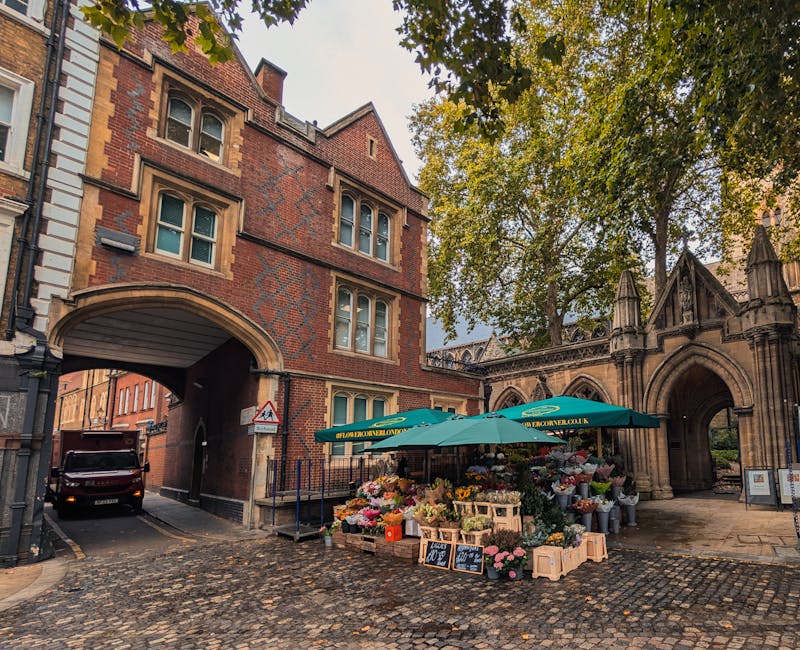
Holborn gardeners guide High Holborn and Grays Inn Road
If you live, work, or manage property around High Holborn and Grays Inn Road, gardening tends to be a little different from the leafy suburban version most people picture. Space is tighter. Access can be awkward. Courtyards catch less sun than you expect. And the garden, terrace, planter, or shared outdoor area still needs to look presentable on a schedule that fits real life.
This Holborn gardeners guide High Holborn and Grays Inn Road is designed to help you make sensible choices, whether you are after regular maintenance, a one-off tidy-up, or a clearer idea of what a local gardening service should actually do. We will cover how services typically work, what matters most in this part of Central London, common mistakes to avoid, and how to judge quality without getting lost in the jargon.
To be fair, a good garden here is rarely about perfection. It is about creating order, resilience, and a bit of calm in a very busy corner of London. That sounds simple. In practice, not always.
Expert summary: In Holborn, the best gardening work is usually the kind that solves practical problems first: access, safety, seasonal timing, plant choice, waste handling, and reliable upkeep. The visual finish matters too, but the details do the real work.
Table of Contents
- Why Holborn gardeners guide High Holborn and Grays Inn Road Matters
- How Holborn gardeners guide High Holborn and Grays Inn Road Works
- Key Benefits and Practical Advantages
- Who This Is For and When It Makes Sense
- Step-by-Step Guidance
- Expert Tips for Better Results
- Common Mistakes to Avoid
- Tools, Resources and Recommendations
- Law, Compliance, Standards, or Best Practice
- Options, Methods, or Comparison Table
- Case Study or Real-World Example
- Practical Checklist
- Conclusion
- Frequently Asked Questions
Why Holborn gardeners guide High Holborn and Grays Inn Road Matters
High Holborn and Grays Inn Road sit in one of those parts of London where the street scene changes fast. Busy pavements, office buildings, period properties, residential blocks, roof terraces, mews spaces, and tucked-away courtyards can all appear within a short walk. That variety is exactly why local gardening guidance matters.
A garden in Holborn is often not a large lawn with borders and a shed at the end. More often it is a compact outdoor space that needs careful planning, routine maintenance, and a touch of design discipline. If it is neglected, the problems show quickly: weeds in paving joints, tired planters, overgrown climbers, blocked drainage, dead pots, and that slightly scruffy look that drags the whole property down.
There is also a practical reason this topic matters. In Central London, outdoor areas are frequently used by people who are short on time. Residents want convenience. Landlords want presentable entrances. Businesses want a good first impression. Managing agents want predictable upkeep. Everyone wants less hassle, basically.
Local gardeners understand the pace and pressure of the area. They know that a visit may need to work around deliveries, tenants, office hours, restricted access, or a shared building routine. That sounds mundane, but it is often what separates a smooth job from an annoying one.
If you are comparing providers, it helps to start with a proper overview of the available gardening services so you can match the work to the actual condition of the space. A little clarity up front saves a lot of muddle later.
How Holborn gardeners guide High Holborn and Grays Inn Road Works
At its simplest, the process starts with understanding the space and the outcome you want. Not every job is about "making it look nice". Some gardens need restoration. Some need routine control. Some need a planting refresh because the current setup simply is not coping with shade, wind, or neglect.
A typical local gardening visit usually begins with a quick assessment:
- What is growing well, and what is struggling?
- Where is the light strongest, and where does shade sit for most of the day?
- Is the main issue visual tidiness, plant health, or safety?
- Are there access issues, waste concerns, or shared areas to coordinate?
Once that is clear, the work can be planned sensibly. In a compact Holborn setting, the best approach is usually phased and precise rather than heavy-handed. For example, you might not want a drastic cutback if the plants are already stressed by shade and container life. You might want light pruning, edging, pot refreshes, deadheading, and a better watering routine instead.
That is the kind of judgement that matters. Anyone can wield secateurs. The trick is knowing when to stop.
If the job involves regular upkeep, a gardening schedule can be set around the season and the property's use. If the job is one-off, such as a spring tidy or an end-of-tenancy refresh, the focus shifts to visible impact, waste removal, and making the space manageable again.
For booking, scope, and admin, it is sensible to check pricing and quote information before work is agreed. That keeps expectations grounded and prevents awkward surprises. Likewise, if you are curious about who is doing the work and how the company operates, about the team pages are usually worth a look.
Key Benefits and Practical Advantages
The obvious benefit is a cleaner, better-looking space. But that is only part of it. In a busy part of London, good gardening work can solve several problems at once.
- Better first impressions: A tidy entrance or courtyard tells people the property is cared for.
- Safer surfaces: Clearing leaves, moss, or overgrowth can reduce slips and trip hazards.
- Healthier planting: Pruning, feeding, and the right watering rhythm can keep plants alive longer.
- Less long-term cost: Regular maintenance often costs less than repeated rescue work.
- More usable space: A neglected patio becomes a storage corner; a maintained one becomes usable again.
There is also a quieter benefit: less mental noise. You notice it on a mild weekday morning when the bins are out, traffic is already moving, and the planting still looks ordered. Small thing, but it changes how a place feels.
For businesses, the advantage is reputation. For residents, it is comfort. For landlords and managing agents, it is consistency. Different outcomes, same principle: the space works better when someone is properly looking after it.
If you also care about disposal and greener practice, a provider that offers recycling and sustainability guidance is worth favouring, especially when garden waste and plant replacements are part of the job.
Who This Is For and When It Makes Sense
This guide is relevant to a few different kinds of reader, and honestly they all have slightly different priorities.
Residents with small gardens, terraces, or balconies
If you have a compact outdoor area, you may need a gardener not because the space is huge, but because the space is unforgiving. A small area can look cluttered very quickly. A few weeds, one sad planter, and a patch of fallen leaves can make the whole place feel neglected.
Landlords and property managers
If a courtyard or frontage forms part of a rented property, then upkeep is part visual, part practical. You want the place presentable for viewings, inspections, and general occupation. Reliable routine maintenance can be a sensible way to protect value without overdoing it.
Offices, clinics, and commercial premises
High Holborn especially has a pace of use that means outdoor spaces can be overlooked until they start looking rough. A scheduled gardening service helps keep entrances, planters, and shared outdoor areas tidy. It is one less thing on the building team's list, which is no bad thing.
Shared residential buildings
Communal spaces need coordination. They also need a gardener who is comfortable working around access arrangements and keeping disruption low. That means the right timing, clear notes, and no drama.
So when does it make sense to hire help? Usually when one of these is true:
- You are spending more time fighting the garden than enjoying it.
- The space has become visibly untidy or overgrown.
- Plants are failing and you are not sure why.
- You need reliable maintenance rather than a one-off rescue.
- The property needs to look better for guests, tenants, or clients.
In other words, when the garden stops being a nice feature and starts becoming a job. A slightly annoying one, too.
Step-by-Step Guidance
If you are approaching gardening work in Holborn for the first time, a simple process helps keep everything under control. Here is a sensible way to think about it.
- Walk the space properly. Look at light, shade, access, drainage, and what is actually growing there. Do not just glance at it from the doorway.
- Define the main goal. Is this about tidiness, restoration, planting, or ongoing upkeep? Pick the priority first.
- List the problem areas. Overgrown hedges, tired containers, weeds, broken pots, clogged gutters around the garden edge, and so on.
- Decide what needs specialist help. Some tasks are straightforward. Others, such as higher pruning or awkward access, may need a more experienced approach.
- Agree the scope clearly. Ask what is included: labour, waste removal, materials, follow-up visits, and timing.
- Plan for aftercare. A good tidy-up can regress quickly if watering, feeding, or seasonal follow-up is forgotten.
A practical example: a small rear courtyard near Grays Inn Road may look fine in winter, then suddenly become crowded in late spring once climbers and container plants wake up. The fix may not be a big redesign. It might simply be pruning, separating overcrowded pots, refreshing compost, and setting a better maintenance rhythm. Straightforward, but easy to miss.
If you want a better feel for service boundaries and what to expect from a professional provider, the services overview is a useful starting point. And when you are ready to speak to someone directly, the contact page should be the next stop.
Expert Tips for Better Results
Here is the part that saves people a lot of time and a fair bit of frustration.
Match plants to the actual light, not the fantasy version
It is easy to buy plants for how you hope the garden will look in June. Reality may be shade from a neighbouring building, reflected heat from brickwork, or a windy courtyard that dries pots fast. Choose for conditions first. Beauty follows later, usually.
Use containers with a purpose
In Holborn, containers are often doing the heavy lifting. They soften hard surfaces, add height, and make small spaces feel planted. But they need drainage, stable positioning, and a routine. A lone decorative pot with no plan is just another object to trip over.
Keep maintenance frequent but light
In compact spaces, little and often is often better than dramatic intervention. Regular deadheading, light pruning, weeding, and watering checks keep things on track. You do not need to make a production of it every time.
Think about sightlines
What do you see first from the street, lobby, or window? That is where the eye goes. Focus on the visible edge, entrance zone, and the bits people actually notice. It sounds obvious, but people miss it all the time.
Ask about waste handling before the job starts
Some of the least glamorous parts of gardening matter most in practice. Green waste, soil, broken pots, and old planting materials need dealing with properly. A tidy finish includes the disposal side, not just the clip-and-sweep side.
And yes, there is always one corner nobody remembers until the final sweep. Usually behind a planter. Always behind a planter.
Common Mistakes to Avoid
Most gardening problems in this part of London are not dramatic. They are cumulative. A few small misjudgements, repeated, and suddenly the space looks tired.
- Over-pruning: Cutting back too hard can leave plants exposed or stressed, especially in restricted urban microclimates.
- Ignoring drainage: Containers and paved areas can suffer fast if water has nowhere sensible to go.
- Choosing the wrong plants: Sun-lovers in shade, water-hungry plants in exposed spots, and so on.
- Skipping seasonal work: Waiting until everything is overgrown costs more effort later.
- Focusing only on appearance: A space that looks neat for a week but lacks structure will slide back quickly.
- Not checking access: In shared buildings, this can waste time and cause friction. No one wants that.
One common oversight is forgetting that a small garden still needs a plan. Small does not mean simple. Sometimes small means less room for error, which is a bit unfair but there it is.
Tools, Resources and Recommendations
You do not need a van full of specialist kit to maintain a city garden well, but the right tools make a noticeable difference.
- Hand pruners and loppers: For precise cutting without crushing stems.
- Secateurs: Essential for deadheading and light shaping.
- Garden gloves: Especially useful around rough paving, thorny plants, and compost handling.
- Watering cans or hose access: Useful in courtyards and terraces where watering is frequent but controlled.
- Spade, trowel, and hand fork: For container work, planting, and general soil care.
- Leaf rake and stiff broom: Great for keeping paved areas clear and presentable.
For customers wanting a better picture of what a provider can cover, it helps to compare maintenance, clearance, planting, and support options against your own needs. A service is only useful if it fits the space, the season, and the level of mess you are dealing with.
It can also be reassuring to check business information around trust, safety, and service standards. Relevant pages such as insurance and safety and the health and safety policy help show how a company approaches risk and site work. For payment reassurance, payment and security information is equally useful. A small bit of admin confidence goes a long way.
Law, Compliance, Standards, or Best Practice
Gardening in London does not usually involve heavy regulation for everyday domestic maintenance, but there are still sensible standards and responsibilities to keep in mind. The exact requirements depend on the property type and the work being done.
For example, if a site has shared access, workplace activity, or communal areas, it is best practice to think about safe working methods, clear communication, and responsible waste handling. If tools, ladders, or powered equipment are involved, the contractor should work in a way that reduces risk to people and property. That is just basic professionalism, really.
When a business is involved, especially a commercial premise or managed block, keep an eye on:
- safe access for residents, staff, and visitors
- clear boundaries around work zones
- handling and removal of green waste
- careful use of equipment near glass, paving, and parked vehicles
- appropriate insurance and general duty of care
If you are choosing a provider, it is reasonable to ask how they manage these issues. Good companies do not get defensive about this. They answer plainly.
It is also wise to read the site's service conditions. The terms and conditions and privacy policy are not exciting reading, admittedly, but they are part of making an informed decision. For businesses with ethical supplier requirements, the modern slavery statement can also matter as part of wider due diligence.
Options, Methods, or Comparison Table
If you are deciding how to handle a garden near High Holborn or Grays Inn Road, the main options are usually routine maintenance, one-off clearance, planting refresh, or a blended approach. The best choice depends on the condition of the space and how often it is used.
| Approach | Best for | Strengths | Watch-outs |
|---|---|---|---|
| Routine maintenance | Shared spaces, frontages, regularly used terraces | Predictable, tidy, easier to budget for | Needs consistency and scheduling |
| One-off tidy-up | Neglected gardens, move-ins, pre-event preparation | Quick visible improvement | Can slide back without follow-up |
| Planting refresh | Spaces with tired containers or poor seasonal colour | Freshens the look without a full redesign | Plant choice must suit shade, wind, and watering habits |
| Full garden reset | Heavily overgrown or poorly planned spaces | Gives a clean slate | Can take more time, more budget, and more decision-making |
If you are unsure, a blended approach is often the most practical. Start with a tidy-up, then assess what needs replacement or ongoing care. That way you are not overcommitting before you know the space properly.
Case Study or Real-World Example
Imagine a compact courtyard behind a mixed-use building near Grays Inn Road. The space has a few containers, a narrow paved run, some tired climbers, and a corner that never quite dries out after rain. At first glance it looks like a "quick tidy". In reality, the issue is a bit deeper.
The gardener starts by clearing leaf litter, cutting back overcrowded growth, and checking where water is sitting after rainfall. A few containers are moved so they do not trap moisture against the paving. The climbers are pruned lightly rather than hacked back, because they still provide privacy and some softening around the brick walls. Two plants are replaced with varieties better suited to the shade. Compost is refreshed. The edge is cleaned up. Nothing flashy.
The result is not a magazine garden. That would be odd in this setting anyway. But it is neater, healthier, easier to maintain, and more pleasant to use. The building manager stops worrying about it. Residents stop complaining about the mess. The space quietly becomes useful again.
That is a realistic win in Holborn: not perfection, just a garden that works.
Practical Checklist
Use this before you book or brief a gardener in the Holborn area.
- Identify the exact outdoor area that needs work.
- Decide whether you need maintenance, clearance, planting, or all three.
- Note any access restrictions, time windows, or building rules.
- List problem spots: weeds, dead plants, slippery paving, overgrowth, poor drainage.
- Check whether waste removal is included.
- Ask how the work will be phased if the space is small or shared.
- Confirm whether materials, plants, or compost are part of the quote.
- Review safety, insurance, and payment details before confirming.
- Think about aftercare, especially watering and seasonal follow-up.
- Set a realistic schedule so the space does not drift back into neglect.
A small checklist like this prevents the classic "we thought you meant something else" moment. Nobody enjoys that one.
If you are ready to move forward, Get a free quote today and see how much you can save.
Conclusion
High Holborn and Grays Inn Road ask a lot from outdoor spaces. Light can be patchy, access can be tight, and the pace of the area does not pause for anyone's planting plan. That is exactly why a local, practical approach to gardening works so well here.
The best results usually come from clear goals, honest assessment, seasonal care, and a gardener who understands the realities of compact urban spaces. Not every job needs a big redesign. Sometimes it just needs attention, consistency, and someone who notices the little things before they become bigger ones.
With the right approach, even a modest courtyard, frontage, or terrace can feel calmer, smarter, and easier to live with. And honestly, in central London, that is a pretty good outcome.
Frequently Asked Questions
What does a Holborn gardeners guide High Holborn and Grays Inn Road usually cover?
It usually covers local garden care for compact urban spaces, including maintenance, tidying, planting advice, seasonal work, and practical issues like access, waste, and scheduling.
Is gardening in Holborn different from gardening in suburban areas?
Yes. Space is often smaller, access is tighter, and shade, wind, and hard surfaces can have a bigger impact. The work tends to be more precise and more frequent rather than large-scale.
How often should a small central London garden be maintained?
That depends on planting and use, but many small spaces benefit from regular light maintenance rather than infrequent heavy work. In busy urban settings, small and steady often beats occasional and dramatic.
What should I ask before booking a gardener near High Holborn or Grays Inn Road?
Ask what is included, whether waste removal is covered, how access will be handled, whether materials are supplied, and how the price is structured. Clear answers early make everything easier later.
Can a gardener help if the space is badly overgrown?
Yes, usually. A sensible first step is a clearance or restoration visit, followed by a maintenance plan so the space does not slip back into the same state.
What are the most common problems in Holborn gardens?
Overgrowth, poor drainage, tired containers, plant stress from shade or exposure, and a general lack of upkeep are all common in compact central London spaces.
Do I need a full redesign, or just maintenance?
Not always a full redesign. Many gardens only need better plant choice, a clear tidy-up, and a manageable upkeep routine. If the structure is sound, maintenance can go a long way.
How can I make a small terrace look better quickly?
Focus on the visible edges first: remove dead growth, clean paving, refresh containers, and group planting more neatly. A few strong visual improvements usually beat lots of tiny random changes.
What should I check about safety and insurance?
You should check that the provider works safely around access points, glass, paving, and shared areas, and that they have appropriate insurance for the type of work they carry out.
How do I know if a gardening quote is fair?
A fair quote should explain the scope of work, any waste removal, materials, timing, and whether follow-up visits are needed. If the quote is vague, ask for more detail before agreeing.
Can gardening services handle sustainability and waste responsibly?
Often yes, and it is sensible to ask. Many customers in London now want greener handling of garden waste and sensible material use, so it is worth checking the provider's approach.
What is the best next step if I am ready to improve my garden?
Start with a clear assessment of the space, then ask for a quote based on the actual condition rather than a general description. A short conversation can save a lot of back-and-forth.
When a garden in Holborn is looked after well, it does more than look tidy. It becomes one of those rare small places that quietly makes the day better, which is no small thing at all.