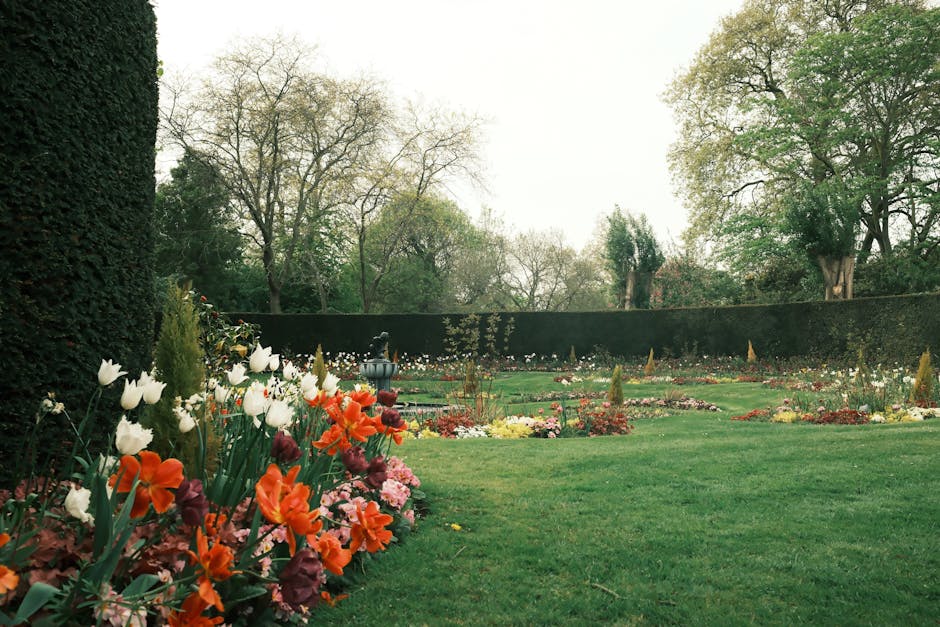
Gardeners for Lincolns Inn Fields private gardens Holborn: a practical guide to caring for elegant shared green spaces
Private gardens in and around Lincoln's Inn Fields are a bit special. They are not just patches of grass with a few shrubs; they are carefully used, carefully viewed, and often carefully protected spaces that need a steadier hand than an ordinary front garden. If you are looking for gardeners for Lincolns Inn Fields private gardens Holborn, you are probably trying to solve more than one problem at once: keeping the space attractive, managing seasonal growth, staying on top of access and safety, and making sure the garden still feels calm rather than overworked.
That balance matters. One missed trim or one rushed clearance can change the feel of the whole place. In a setting like this, gardening is maintenance, presentation, and quiet problem-solving all rolled together. This guide explains how good garden care works in practice, what to expect from a professional team, how to avoid common mistakes, and which services usually make the biggest difference. If you need a broader overview of the available help, the services overview is a sensible place to start.
Quick takeaway: the best results usually come from regular, low-drama maintenance. Not flashy work. Just consistent, careful, well-timed gardening that respects the space, the people using it, and the setting around it.
Why Gardeners for Lincolns Inn Fields private gardens Holborn Matters
Lincoln's Inn Fields sits in a part of London where outdoor space is valued differently. The gardens are not an afterthought. They are part of the identity of the place, part of the daily experience, and often part of how residents, office workers, and visitors feel about the wider area. That means the gardening has to do more than "look nice". It has to hold up under use, weather, and scrutiny.
Private gardens in this part of Holborn can include lawns, borders, specimen planting, hedging, paved edges, planters, and quieter corners that need gentle upkeep rather than heavy intervention. They may also have shared access arrangements, limited storage, restricted working hours, and a need for careful coordination with residents or property managers. You can probably see the shape of the challenge already: plenty of detail, not much room for error.
Good gardeners understand that a shared garden is never just about plants. It is about how the space feels at 8 a.m., after rain, in spring growth, or on a busy weekday when people are passing through. A tidy edge, a fresh mow, properly shaped shrubs, and clear paths all change the atmosphere. Small things. Big effect.
There is also a trust issue. When a garden is private and communal, you want work done by people who are reliable, insured, and respectful of the site. If the team is clumsy with access, noisy timing, waste handling, or hedge shaping, the whole place can feel unsettled for weeks. Let's face it, nobody wants that.
How Gardeners for Lincolns Inn Fields private gardens Holborn Works
In practice, professional garden care starts with a site visit or a clear description of the space. The gardener or landscaping team needs to understand what exists now, what the priorities are, how the space is used, and what the limitations are. A decent briefing normally covers lawn condition, planting density, hedge height, drainage issues, access points, storage, and any work that should be avoided during busy periods.
From there, a maintenance plan is usually built around frequency and season. For example, lawns often need regular mowing in the growing season, while hedges may need trimming less often but with a more strategic eye. Beds can need weeding, mulching, edging, and seasonal tidy-ups. If there is a lot of leaf drop, or if the garden has become crowded over winter, a garden clearance may be needed before the routine schedule can really work. The team at garden clearance service can help when the space needs a proper reset.
In a well-run arrangement, the gardener does not just react to problems. They notice patterns. A lawn that thins in one corner. A hedge that is shading a path too much. A border that dries out too quickly. A hard surface that is collecting debris. This observational side is easy to underestimate, but it is one of the biggest reasons people keep returning to the same gardening team.
For more ongoing support, many properties benefit from garden maintenance, which keeps the space in shape without waiting for things to become urgent. That is often the difference between a garden that always feels maintained and a garden that keeps swinging between "fine" and "oh dear".
Key Benefits and Practical Advantages
The obvious benefit is appearance, but that is only the start. A well-managed private garden in Holborn can be easier to use, safer to walk through, simpler to keep clean, and more resilient across seasons. The work is not glamorous. It is just effective.
- Consistent presentation: regular care prevents the space from drifting into an overgrown or neglected look.
- Better plant health: pruning, feeding, watering awareness, and seasonal timing all help plants cope with city conditions.
- Improved access and safety: tidy paths, controlled growth, and sound tree or hedge work reduce trip hazards and blocked sightlines.
- Less costly catch-up work: smaller, scheduled jobs are usually easier to manage than large corrective visits.
- Quieter day-to-day management: when maintenance is routine, residents and managers spend less time chasing problems.
There is also a subtle benefit that people sometimes miss: confidence. When you know the garden is being properly looked after, you stop worrying about it quite so much. That sounds minor, but in a shared setting it really does matter. It lets people enjoy the space instead of mentally scanning it for issues every time they walk through.
If the garden includes larger planted areas or softer landscaped zones, the right mix of landscaping support and practical upkeep can make the whole site feel more coherent. For some properties, that also includes decking services where usable outdoor seating or circulation areas need attention alongside the planting.
Who This Is For and When It Makes Sense
This kind of service makes sense for anyone responsible for a private or semi-private garden that needs careful stewardship rather than occasional tidying. That might be a managing agent, a residents' committee, a building owner, a local business with a tucked-away green space, or a caretaker-type arrangement where the site has to stay presentable without constant drama.
It is especially useful when the garden has any of these characteristics:
- shared use or scheduled access
- mixed planting and lawn areas
- hedges or shrubs that need shaping rather than hard cutting
- periodic leaf build-up or seasonal debris
- limited storage for tools and waste
- complaints about untidiness, overgrowth, or inconsistent upkeep
It also makes sense if you have tried the "we'll just do it ourselves when we can" approach. Truth be told, that works for a while, then suddenly doesn't. One busy month, one wet season, one missed trim, and the job gets much bigger than it needed to be. That is where a proper gardener earns their keep.
For sites that need regular lawn care, lawn mowing can be part of a recurring schedule, while taller growth and boundary planting may call for hedge trimming to keep shape, light, and access under control.
Step-by-Step Guidance
If you are planning work for a private garden in Holborn, the process is usually straightforward when handled properly. Here is the cleanest way to think about it.
- Assess the current condition. Look at lawns, borders, hedges, pathways, access points, and any obvious trip or visibility issues. Be honest about what is actually happening, not what you wish was happening.
- Set the purpose of the garden. Is it mainly decorative, partly functional, or intended for regular use? That answer changes everything from mowing height to planting choices.
- Choose the right maintenance frequency. Weekly, fortnightly, monthly, or seasonal visits all suit different spaces. A lawn-heavy garden usually needs a different rhythm from a more planted courtyard.
- Prioritise urgent issues first. Overgrowth, blocked pathways, poor visibility, damaged edges, and uncontrolled debris usually come before refinements.
- Schedule the core tasks. These often include mowing, weeding, edging, pruning, sweeping, hedge shaping, and waste removal.
- Review after the first visit or first cycle. You learn a lot from one proper round of work. Often more than people expect.
A sensible first-stage plan may also include a one-off tidy-up if the garden has drifted. After that, regular maintenance becomes easier, cheaper to manage, and much less disruptive. That steady rhythm matters more than perfection.
If you are comparing broader service packages, the landscape gardening option can be useful where the garden needs improvements as well as routine care, while landscape gardening work should be scoped carefully so it does not overreach what the site actually needs. Sometimes restraint is the best design choice. A little boring, maybe. But it works.
Expert Tips for Better Results
There are a few habits that separate a merely tidy garden from one that feels consistently well managed. None of these are flashy. They are just the sort of things experienced gardeners keep in mind without making a song and dance about it.
- Work with the garden's natural rhythm. Spring growth, summer dry spells, and autumn leaf fall each need a different approach.
- Cut little and often where possible. Especially with lawns and hedges, this usually gives a cleaner result than occasional heavy intervention.
- Watch the edges. Borders, paving lines, and lawn edges are small details, but they shape the whole impression.
- Keep access routes clear. A beautiful border is less useful if people have to squeeze around it.
- Respect the setting. In a place like Holborn, noise, timing, and tidy working habits matter as much as the end result.
Here is one practical tip that helps a lot: take photographs before and after the first few visits. Not for show, just for clarity. It makes it easier to see which parts of the garden respond well to trimming or feeding, and which parts need a different approach. Very simple. Very useful.
Also, if trees are crowding the space or blocking light, the answer may not be "more mowing" but a careful tree assessment. In some cases, tree lopping and removal becomes part of restoring balance, though that kind of work should always be approached cautiously and only when genuinely needed.
Common Mistakes to Avoid
Gardens in shared London settings often go wrong in familiar ways. The good news is that most of the mistakes are preventable if someone is paying attention.
- Letting the schedule slip. Once maintenance becomes irregular, the work becomes more expensive and disruptive.
- Overcutting hedges or shrubs. A hard cut may look tidy for a week, then reveal bare patches or weak regrowth.
- Ignoring drainage or shade problems. If a lawn is struggling because of conditions, mowing alone will not fix it.
- Mixing tidy-up work with bigger landscaping decisions. They are related, but not the same thing.
- Choosing solely on price. Cheap work can become costly if it damages plants, surfaces, or trust.
- Failing to plan for waste. Green waste, arisings, and clearance need a proper route off site.
One of the easiest traps is the "we'll deal with that later" trap. Everyone means well. Then the hedge gets leggy, the beds get weedy, and the site starts looking tired in that faintly sad way that only neglected green space can manage. Not disastrous. Just not right.
If a garden is already carrying a lot of clutter or old growth, starting with a thorough reset through garden clearance can be the smartest move before resuming regular care.
Tools, Resources and Recommendations
For professionals working in private gardens, the right tools are usually the unglamorous ones: sharp shears, a reliable mower, secateurs, edging tools, rakes, blowers used carefully, and proper waste sacks or containers. The real difference is not the brand name on the handle. It is how well the tool suits the task and how calmly it is used.
For owners or managers, the useful resources are less about hardware and more about process. A site plan, a simple maintenance log, a contact list, and a clear record of seasonal priorities can save a lot of back-and-forth. Nothing fancy. Just organised.
Recommended practical materials include:
- a basic garden map showing beds, lawns, access points, and sensitive areas
- a seasonal task list for spring, summer, autumn, and winter
- photo records for recurring issues such as bare patches or poor drainage
- a note of preferred working windows, especially where residents or tenants are affected
When a property needs a wider refresh, a combined approach can be helpful. That may include maintenance, clearing, and, in some cases, more structural improvements. The main thing is not to confuse "needs attention" with "needs redesign". They are different jobs.
For ongoing support, you may also want to review the practical detail on pricing and quotes so you know how jobs are typically scoped, and how to compare like with like. Clarity at the start saves awkward conversations later. Every time.
Law, Compliance, Standards, or Best Practice
Private garden work in London often sits in a mix of common sense, local site rules, and general UK expectations around safety and professionalism. It is not always about formal regulation in the way some people assume, but it does call for care.
For example, good practice usually means:
- working with appropriate insurance in place
- keeping access routes safe and reasonably clear during work
- handling tools and machinery responsibly
- disposing of green waste properly
- respecting neighbours, residents, and any site-specific instructions
Where trees are involved, extra caution is wise. Tree work can have safety implications, and decisions about pruning or removal should never be casual. If there is uncertainty, the right move is usually to pause and assess rather than push ahead. That may sound obvious, but you would be surprised how often it gets ignored.
There are also good standards around communication. If a site is private and shared, the gardener should know who can authorise work, who receives updates, and how complaints or queries are handled. A professional team should also be clear about its own operating terms and safety approach. If you want to read more about service expectations, the site's health and safety policy and insurance and safety information are useful reference points.
And yes, it matters that waste is dealt with responsibly. Green material should not just disappear into a corner. For many clients, a sensible recycling and sustainability approach is part of the service standard now, not a bonus.
Options, Methods, or Comparison Table
Different gardens need different maintenance styles. Here is a simple comparison that may help you judge what fits your site best.
| Approach | Best for | Strengths | Watch-outs |
|---|---|---|---|
| Routine maintenance | Established private gardens with lawns, borders, and hedges | Keeps the space tidy, predictable, and easier to manage | Needs consistency; can drift if visits are too far apart |
| One-off clearance | Overgrown or neglected gardens that need a reset | Creates a clean starting point fast | Does not solve long-term upkeep on its own |
| Landscape-led improvement | Sites that need layout, planting, or usability changes | Can improve function as well as appearance | Requires more planning and clearer scope |
| Task-specific visits | Gardens with isolated issues such as hedges, trees, or lawn care | Efficient for focused jobs | May not be enough if several problems are linked |
In many real-world settings, the best answer is a blend. A bit of routine care, occasional clearing, and a few targeted improvements. Not everything needs to be rebuilt. Often it just needs to be looked after properly, which is a much less dramatic sentence but usually the right one.
Case Study or Real-World Example
Imagine a private garden close to Lincoln's Inn Fields that has a neat layout but has been maintained irregularly for several months. The lawn is patchy at the edges, the hedges are beginning to widen, and a few borders have become crowded with self-seeding growth. Nothing is broken. Nothing is catastrophic. It just feels slightly out of step with the quality of the surrounding area.
The first visit begins with a careful tidy-up: edging, mowing, light pruning, removal of dead material, and a proper sweep of the paths. After that, the gardener identifies the recurring tasks. One hedge needs more frequent shaping than expected. One corner of the lawn gets less light and needs a gentler mowing pattern. A border that looked messy was actually just overplanted, so selective thinning gives it room to breathe.
By the third visit, the space is not only tidier, it is easier to understand. That is the part people often miss. Good garden maintenance reveals the logic of a space. It makes future work simpler. The garden stops feeling like a problem and starts feeling like a place again.
There is no magic in it, to be fair. Just care, timing, and a willingness to notice what the garden is telling you.
Practical Checklist
Use this checklist before agreeing a maintenance plan or booking work for a private garden in Holborn.
- Site purpose confirmed: decorative, communal, practical, or mixed use?
- Priority issues noted: lawns, hedges, weeds, trees, access, debris?
- Access arrangements clear: who opens, who closes, where equipment can be stored?
- Maintenance frequency agreed: weekly, fortnightly, monthly, or seasonal?
- Waste handling understood: what is removed, what is recycled, what stays on site?
- Safety expectations covered: insurance, site conduct, and working boundaries?
- Budget and quote clarity: what is included, what is extra, what may change?
- Communication route chosen: one person or several, and how updates are shared?
If you can tick those off, you are already ahead of most rushed arrangements. Honest truth. That little bit of planning pays back quickly.
Get a free quote today and see how much you can save.
Conclusion
Gardeners for Lincolns Inn Fields private gardens Holborn is really about trusted, consistent care in a setting that deserves attention without fuss. The best results come from teams that understand the local feel of the area, respect the practical constraints of private and shared gardens, and keep the work steady rather than dramatic.
If you are managing a garden like this, the most useful next step is usually simple: assess what the space needs now, decide how often it should be maintained, and choose a gardener who can keep the routine calm and reliable. When the right system is in place, the garden does not just look better. It feels easier to live with, easier to trust, and easier to enjoy.
And that, really, is the point. A good garden in Holborn should feel quietly looked after every single day.
Frequently Asked Questions
What do gardeners for Lincolns Inn Fields private gardens Holborn usually do?
They typically handle routine tasks such as mowing, hedge trimming, weeding, pruning, sweeping, planting care, and seasonal tidying. In some cases they also manage clearances or larger landscaping work if the site needs it.
How often should a private garden in Holborn be maintained?
It depends on the size, planting style, and how much the space is used. Lawns often need more regular attention during the growing season, while hedges and borders may need less frequent but more careful visits.
Is one-off garden clearance enough for a private garden?
Usually not on its own. Clearance is helpful if the garden has become overgrown or cluttered, but most private gardens also need an ongoing maintenance plan to stop the same problems returning.
What should I look for in a gardener for a shared private garden?
Look for reliability, clear communication, insurance, respectful working habits, and experience with gardens that need careful scheduling and tidy site management. Shared spaces are less forgiving of sloppy work.
Can gardeners help with lawn problems as well as mowing?
Yes. A good gardener will notice if a lawn is thin, patchy, shaded, compacted, or cutting poorly. Mowing is only part of the picture, and sometimes the issue is with drainage, light, or soil condition.
Do private gardens need hedge trimming every season?
Not always, but many hedges benefit from at least one planned trim in the right season. The timing depends on species, growth rate, and the shape you want to maintain. Heavy trimming at the wrong time can cause avoidable stress.
What is the difference between garden maintenance and landscaping?
Garden maintenance keeps an existing space healthy and tidy. Landscaping is broader and can include design changes, new planting, layout adjustments, hard landscaping, and improvements to how the garden functions.
How do I know if a garden needs landscaping rather than just maintenance?
If the garden works fine but looks untidy, maintenance may be enough. If paths, planting layout, usability, drainage, or overall structure are causing problems, then a landscaping review may be more appropriate.
Are gardeners in central London used to access restrictions and tight schedules?
Yes, that is very common. Private gardens in central areas often have limited access, shared arrangements, and times when work must be kept quiet or brief. Good planning makes a big difference.
What should be included in a quote for private garden work?
A clear quote should outline the tasks included, how often visits will happen, what happens with waste, any limitations, and whether extra work would be priced separately. If something sounds vague, ask for it to be clarified.
Is tree work part of garden maintenance?
Sometimes, yes. If trees are affecting light, safety, or access, they may need careful management. That said, tree work should only be done when genuinely needed and by people who understand the risks involved.
How do I keep a private garden looking good between visits?
Keep an eye on debris, remove obvious litter, avoid letting watering or pruning tasks drift too long, and make sure any access routes stay clear. Small, regular attention helps the garden stay presentable between professional visits.